How to Start a Shipping Container Business: 2026 Guide
Discover how to start a profitable shipping container business, evaluate leasing models, and trade equipment via Trade Containers.
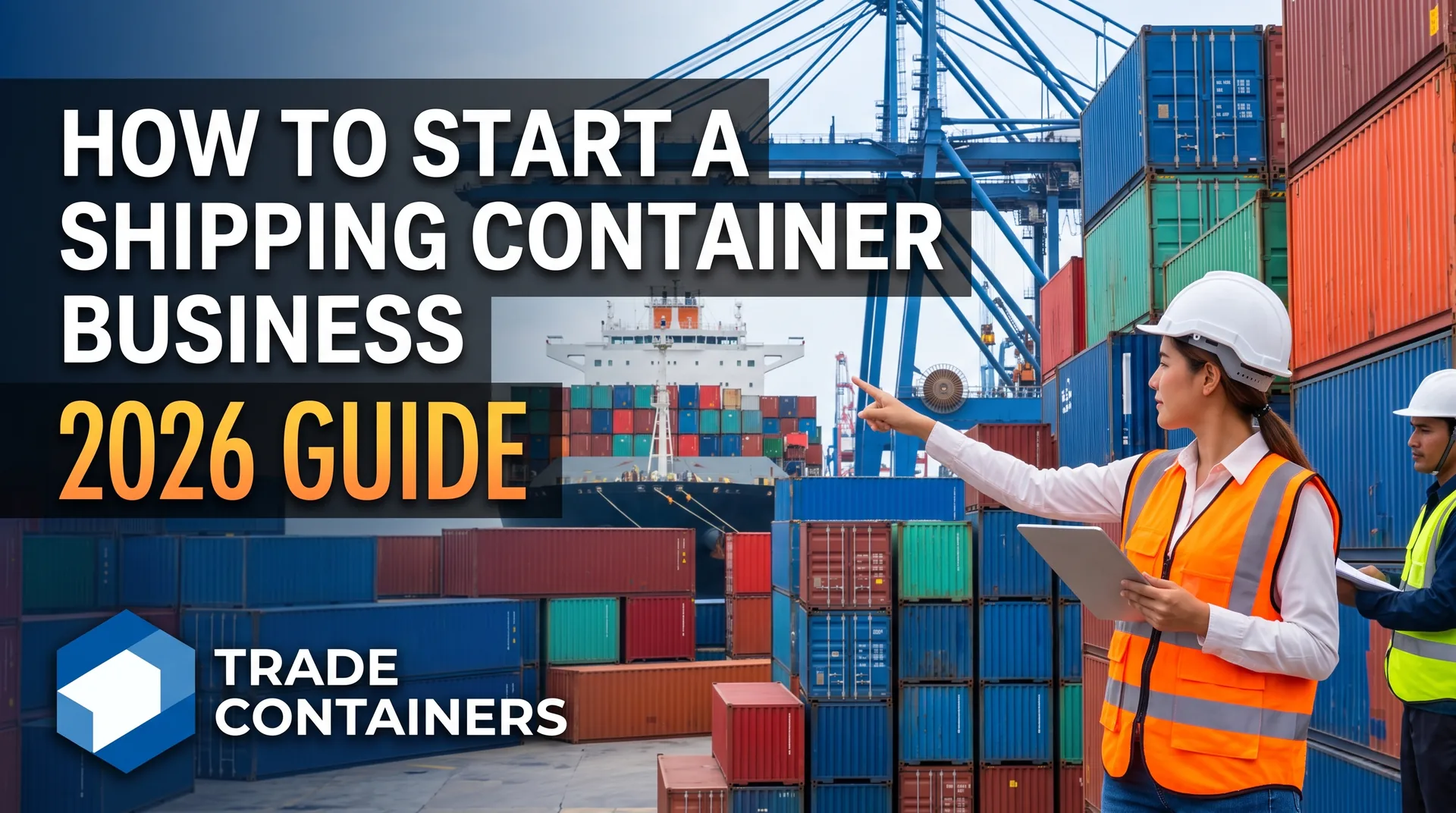
Starting a shipping container business provides a resilient, asset-backed commercial pathway in the expanding international logistics sector. Engaging in container trading, operating a leasing fleet, or launching storage modifications unlocks consistent cash flows. The Trade Containers digital marketplace directly connects new entrepreneurs and established fleet operators with verified global B2B buyers.
Which business models can you choose in the container industry?
Capital availability, local depot access, and target customer requirements dictate which commercial model offers the highest return on investment. The most profitable business avenues include:
Container Trading & Brokerage: Sourcing undervalued new or used boxes and selling them in deficit regions for healthy margins.
Container Fleet Leasing: Supplying boxes to freight forwarders and shippers under master lease or short-term agreements for steady recurring revenue.
Container Modifications: Converting standard dry vans into mobile offices, site accommodations, pop-up stores, and modular buildings.
Self Storage Facility Operations: Developing secure container storage yards to serve commercial inventory and residential storage customers.
Financial yields and capital requirements across container models
Each business model requires different upfront capital expenditures and presents distinct liquidity cycles. Balancing initial cash allocation ensures smooth fleet operations.
Comparative financial metrics across primary industry sectors include:
Business Model | Entry Capital | Average Margins | Liquidity & Payback |
|---|---|---|---|
Trading & Brokerage | Moderate | 10% - 20% | Fast Capital Turnaround |
Fleet Leasing | High | 12% - 18% (Annual) | Predictable Monthly Cash Flow |
Custom Modifications | Low to Moderate | 25% - 45% | Project-Based Completion |
Key operational factors when you sell shipping containers
Building long-term industry credibility requires rigorous equipment condition grading and active CSC safety plate certification. Transparently graded units sell 3 times faster across secondary markets without post-sale friction.
For international specifications regarding intermodal container design and structural testing rules, consult the official https://www.iso.org documentation portal.
Checklist to launch your container venture
Analyze regional container supply and demand dynamics at local port and rail hubs.
Establish commercial corporate registration and secure operational depot partnerships.
Build relationships with shipping lines and leasing companies for volume acquisition.
List equipment inventory on digital B2B marketplaces to sell directly without broker cuts.
Scaling your operations with Trade Containers
Bypassing opaque broker chains through transparent digital marketplaces protects net commercial margins. Leveraging verified counterparty networks allows operators to expand their trading footprint rapidly.
To accurately plan intermodal cargo arrangements and evaluate equipment load limits, check our detailed guide on how many pallets fit in a container.